
On the list of unusual holidays, there is an interesting one coming up on 6th May – No Diet Day. It’s a great opportunity to introduce a body positivity ESL lesson that goes beyond simple discussion and encourages students to think more critically about body image. This lesson explores the idea of body positivity, as presented in an E! News video, asking whether the concept is helpful, misleading, or perhaps something more nuanced.
In this lesson, students learn new vocabulary from a video and practise how to react to controversial opinions, explain their reasoning, and respond to others online. The aim is to help learners move from simple agreement or disagreement to more thoughtful and structured communication.
Sounds useful? Scroll to the end of the post to download the worksheet and the teacher’s notes, as well as gain access to the online presentation.


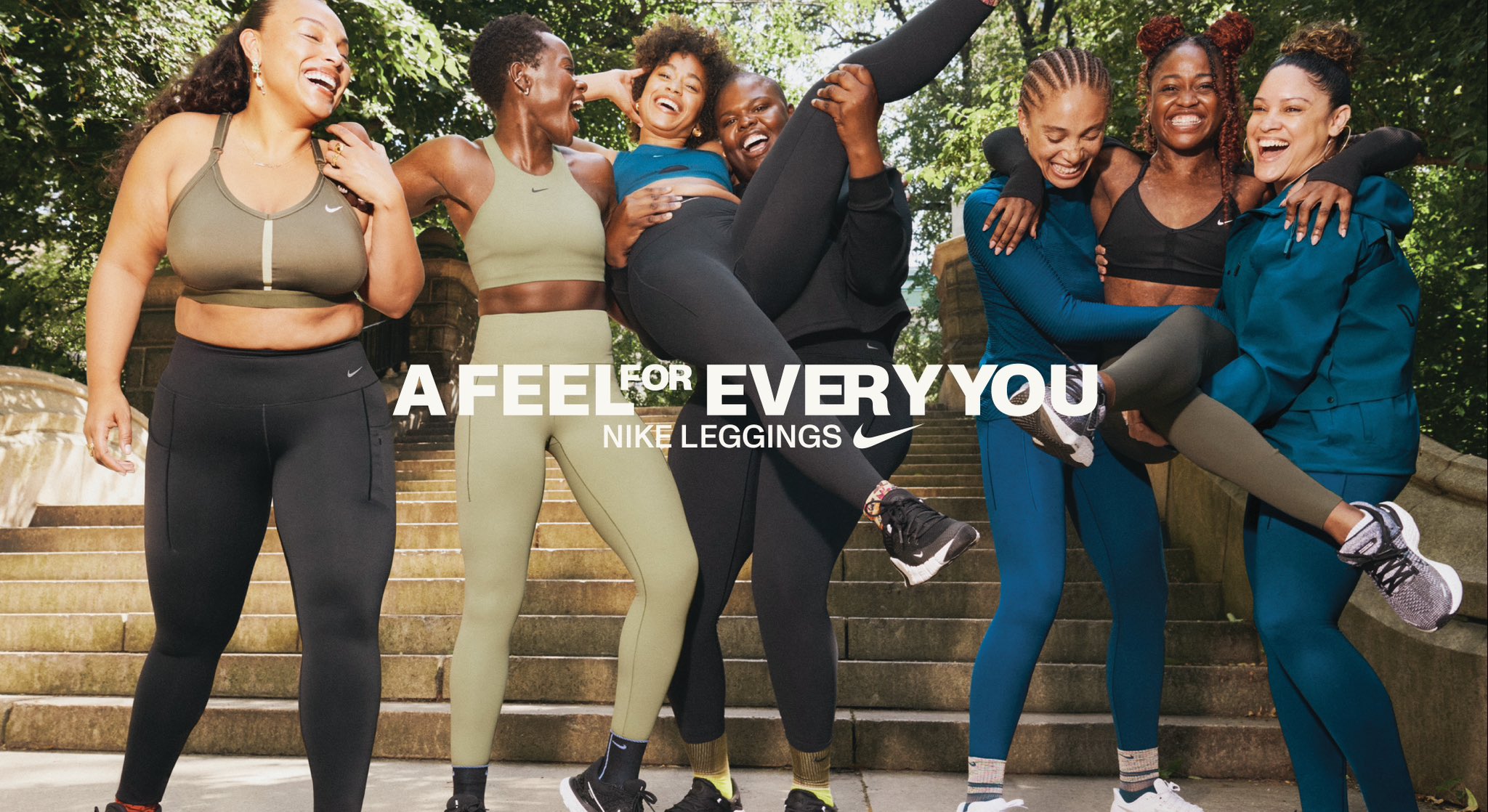
Warmer: Body Positivity in Advertising
Students begin by looking at two advertisements (Dove and Nike campaigns). In pairs, they discuss what they can see and the message the ads are trying to communicate. This stage introduces the topic and helps students understand how brands promote ideas such as confidence, diversity, and self-acceptance. It also encourages them to consider whether these messages are always realistic.

Listening for Gist: A Strong Opinion
Students watch a short video by E! News, an interview with one of the Real Housewives of Salt Lake City titled Heather Gay: Body Positivity is a “LIE”. Before watching, they complete the title by predicting the missing word: Body positivity is a ______. They share their ideas and then check them while watching the video. The speaker describes body positivity as a lie, which often surprises students and creates immediate interest.
Listening for Detail: Understanding the Message
Students watch the video again and complete a multiple-choice task. This time, they focus on specific details, such as why the speaker decided to lose weight and how she felt about the way people treated her. Some of the questions require students not only to listen for facts but also to understand meaning. For example, they need to recognise that resentful means feeling angry because something is unfair, and that empowered is connected to feeling confident and valued.
Language Focus: Describing Complex Ideas
After the listening, students focus on key vocabulary from the video. They match words such as cop-out, sold out, and nuanced with their synonyms. This stage is particularly important because it introduces language that allows students to express more complex opinions. Instead of saying something is simply “good” or “bad”, they can describe it as nuanced or suggest that someone has sold out.
Reading: Real Opinions from Social Media
Students read adapted Reddit-style comments about body positivity, which discuss the video on the Bravo Real Housewives subreddit (“Body Positivity was a big lie” – Heather debuts Ozempic documentary), and complete gaps using the target vocabulary. These comments reflect different perspectives, including feeling left out due to social comparison and questioning whether body positivity is a cop-out.
Speaking: Agree or Disagree?
Students work in pairs and discuss which comment they agree with the most and which they agree with the least. They are encouraged to explain their opinions clearly and support their ideas. At this stage, students begin to use the new vocabulary more actively, moving from recognition to production.
Writing: Your Own Reddit Comment
Students write their own short comment (80–100 words) answering the question: Is body positivity a lie? They are encouraged to give a balanced opinion and consider different perspectives. For example, they might argue that the topic is nuanced or that some people feel pressured to change their appearance.
To make the activity more interactive, students exchange their comments and write a short reply. They say whether they agree or disagree and explain their reasons. This stage reflects real-life online communication and helps students practise responding to different opinions.
Discussion: Body Image and Society
The lesson ends with a whole-class discussion. Students consider questions about body positivity related to the video and finish by giving advice to their younger selves about body image. This final stage allows them to use all the language they have learned in a more natural and communicative way.
This body positivity ESL lesson is a great way to mark No Diet Day while helping students develop more advanced speaking skills. By combining authentic input, vocabulary work, and discussion, learners can explore a real-world topic in a thoughtful and engaging way.
If you’d like to try this lesson with your students, scroll down to download the presentation, worksheet, and teacher’s notes.
Do you think body positivity is a myth or reality?

I’m going to try this out tomorrow morning. It looks great for my German business students. Thanks very much.
Thank you! I hope you’re going to have fun with it 😊